Most heating and cooling equipment spends hundreds or even thousands of hours operating each year. During that time, filters collect debris, electrical components experience wear, coils accumulate dirt, and moving parts gradually lose some of their original efficiency. Regular service gives technicians an opportunity to identify these changes before they begin affecting comfort or lead to an unexpected breakdown.
For most households, an HVAC system should receive professional service at least once a year. However, homes with separate heating and cooling equipment can benefit from two seasonal appointments, typically one before the cooling season and another before the heating season. The ideal schedule ultimately depends on the equipment, climate, usage, and condition of the system.
Is Once-a-Year HVAC Service Enough?
Annual maintenance is generally a reasonable baseline for residential heating and cooling equipment. A yearly appointment allows a technician to inspect components, evaluate system operation, and identify signs of wear that may not be obvious during everyday use.
However, annual maintenance does not necessarily mean every piece of equipment should be inspected at the same time.
Homes with both an air conditioner and furnace may benefit from seasonal servicing. The cooling equipment can be inspected in spring before summer temperatures increase, while the heating equipment can receive attention in fall before colder weather arrives.
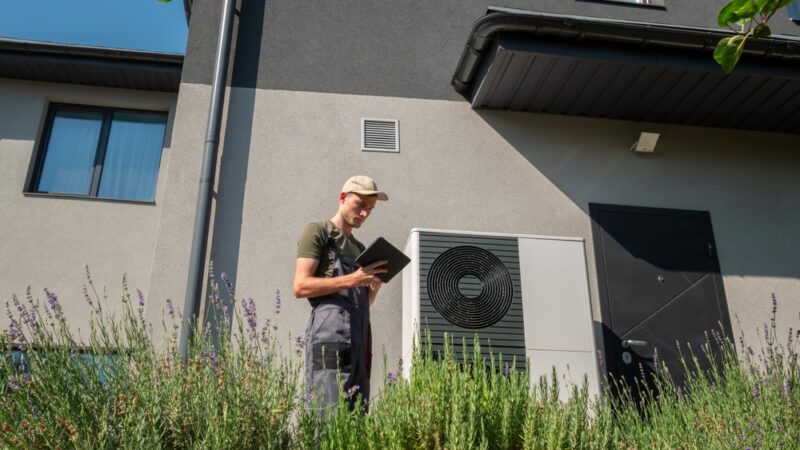
Heat pumps present a slightly different situation because the same equipment provides both heating and cooling. Since a heat pump can operate throughout much of the year, its maintenance needs may be greater than those of equipment that remains unused for several months at a time.
The goal is not simply to meet an arbitrary maintenance schedule. Service should occur frequently enough to keep equipment clean, identify developing problems, and confirm that major components are operating properly.
Why Seasonal Timing Matters
Scheduling maintenance shortly before periods of heavy use has practical advantages.
During spring service, technicians can evaluate the cooling equipment after it has spent several months operating minimally or remaining dormant. Problems such as damaged electrical connections, dirty condenser coils, clogged drains, or worn components can then be addressed before the hottest days arrive.
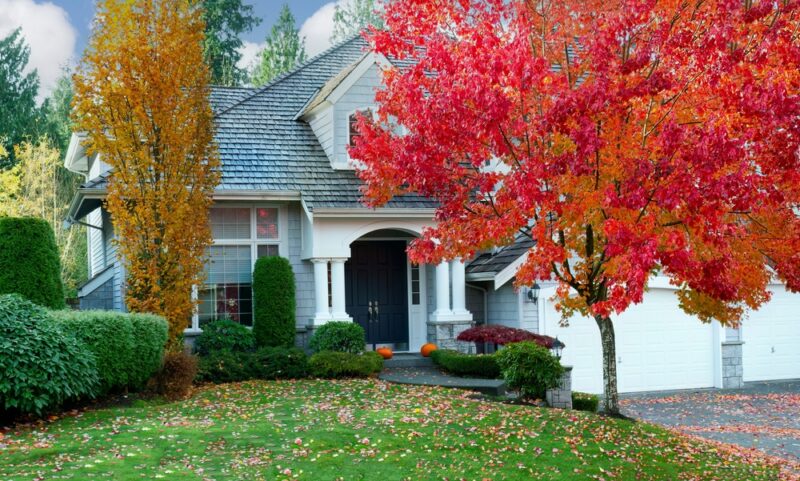
Fall maintenance provides a similar opportunity for heating equipment. Furnaces and other heating systems may remain inactive for much of the warmer season. An inspection before winter allows a technician to evaluate system operation before reliable heating becomes essential.
This approach also provides homeowners with more time to address repairs instead of discovering a problem during the first major temperature change of the season.
What Happens During Professional HVAC Maintenance?
Professional maintenance involves more than simply changing an air filter. The exact procedures vary depending on the equipment, but technicians generally examine several components that influence performance, safety, and reliability.
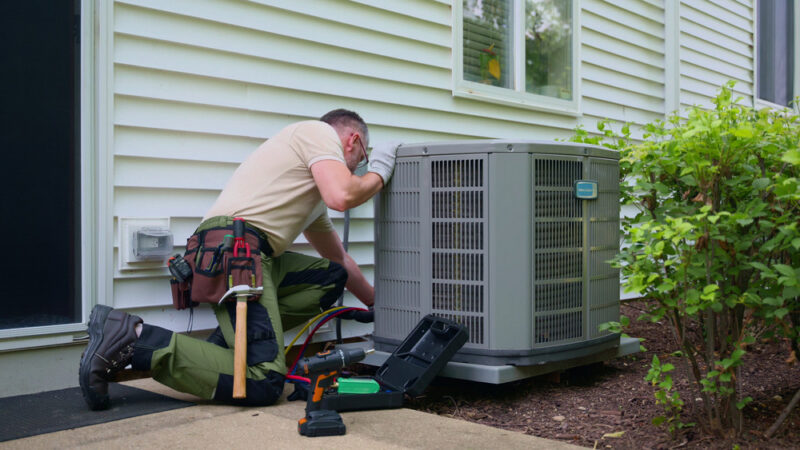
A maintenance appointment may involve checking electrical connections, inspecting coils, testing controls, examining the condensate drainage system, evaluating airflow, and looking for abnormal wear.
For cooling equipment, technicians may also evaluate refrigerant-related performance and inspect the outdoor condenser. Heating maintenance can involve examining burners, ignition systems, heat exchangers, and other furnace components where applicable.
Routine air conditioner maintenance should include attention to components such as filters, coils, coil fins, and condensate drains because neglecting necessary maintenance can contribute to declining performance and increased energy consumption.
These inspections provide information that homeowners typically cannot obtain simply by observing whether the equipment turns on.
Factors That Can Change Your Maintenance Schedule
Not every household places the same demands on its heating and cooling equipment. While yearly professional service provides a useful starting point, several circumstances may justify more frequent attention.
Equipment Age
Older systems can require closer monitoring as components wear and performance changes.
An older HVAC system may still operate reliably, but regular inspections become increasingly valuable because small problems can develop into significant repairs if left unnoticed.
Maintenance also gives homeowners a clearer picture of the equipment’s overall condition. That information can make it easier to plan for eventual replacement rather than being forced into an unexpected decision after a major breakdown.
Heavy Seasonal Use
Climate has a significant influence on equipment workload.
In areas with long, hot summers, cooling equipment may operate for many hours each day. That extended workload increases the importance of keeping filters, coils, electrical components, and drainage systems in good condition.
Similarly, heating equipment in colder climates experiences greater seasonal demands.
Homes that rely heavily on heating or cooling may benefit particularly from servicing equipment shortly before the season when it will work hardest.
Pets and Indoor Air Conditions
Homes with pets may experience faster filter buildup because fur and dander become part of the material moving through the home’s air.
Dusty environments, remodeling projects, smoking, and other household conditions can also increase the amount of material captured by filters.
These conditions do not necessarily mean professional service must occur every few months, but they do make routine filter inspections and airflow monitoring more important between appointments.
Maintenance Does Not Guarantee That Repairs Will Never Be Needed
One common misconception is that regular maintenance makes HVAC breakdowns impossible. Unfortunately, mechanical equipment can still experience unexpected failures even when properly maintained.
Motors can fail, electrical components can wear out, and parts can eventually reach the end of their service life.
The purpose of preventive maintenance is to reduce avoidable problems and improve the chances of detecting developing issues early. A technician may notice a weakening capacitor, deteriorating connection, drainage problem, or abnormal system behavior before it causes a complete shutdown.
That early detection can sometimes turn an emergency repair into a planned service appointment.
What Homeowners Should Do Between Service Visits
Professional maintenance is important, but homeowners also play a role in keeping equipment operating properly.
Air filter replacement is one of the most important routine tasks. The correct replacement frequency depends on the filter type, household conditions, pets, and equipment usage. Instead of relying exclusively on a fixed calendar schedule, homeowners should inspect filters periodically and replace them when they become dirty.
Outdoor equipment should also have adequate clearance. Leaves, vegetation, grass clippings, and other debris around the condenser can restrict airflow.
Inside the home, supply registers and return vents should remain unobstructed by furniture, rugs, curtains, or other objects.
Homeowners can also pay attention to changes in equipment behavior. New noises, unusual odors, weak airflow, rising energy consumption, or inconsistent temperatures can indicate that the system needs attention before its next scheduled maintenance appointment.
Signs You Should Not Wait for Scheduled Maintenance
Routine maintenance and repair appointments serve different purposes. If the equipment develops a noticeable problem, homeowners should not wait several months simply because annual maintenance is already scheduled.
Professional evaluation may be appropriate when the system begins:
- Blowing warm air during cooling
- Producing unusually weak airflow
- Cycling on and off frequently
- Making new grinding, rattling, or buzzing sounds
- Creating unusual odors
- Struggling to maintain the thermostat setting
A sudden increase in energy consumption can also warrant investigation, particularly when household habits and weather conditions have remained relatively consistent.
These symptoms may indicate problems that routine maintenance alone cannot correct.
Can Regular Service Help Equipment Last Longer?
Heating and cooling systems have finite service lives, and maintenance cannot prevent normal aging. However, neglected equipment can experience unnecessary stress that contributes to premature component wear.
Restricted airflow provides a good example. A heavily clogged filter can force the blower to work harder while affecting heat transfer elsewhere in the system. Dirty coils can similarly reduce efficiency and increase operating demands.
Regular maintenance addresses many of these conditions before they place prolonged strain on the equipment.
It also creates a service history that can help technicians identify recurring problems and changes in performance over time. That history becomes increasingly useful as equipment ages and homeowners begin weighing continued repairs against replacement.
How Maintenance Can Affect Energy Efficiency
Heating and cooling represent a significant portion of residential energy use, which makes declining HVAC efficiency particularly noticeable over time.
Dirty components, restricted airflow, and mechanical problems can cause equipment to operate longer than necessary to achieve the desired indoor temperature. Longer operating cycles generally mean greater energy consumption.
Routine maintenance cannot make aging equipment perform like a brand-new high-efficiency system, but it can help existing equipment operate closer to its intended condition.
If energy costs continue rising despite regular maintenance, technicians can investigate other possible causes, including duct leakage, equipment deterioration, insulation problems, or an aging system that is becoming less efficient.
Stay Ahead of HVAC Problems With Complete Comfort
Waiting until heating or cooling stops completely can turn a manageable issue into an inconvenient repair. Regular service provides an opportunity to identify wear, discuss changes in performance, and understand what the equipment may need before the next demanding season.
Complete Comfort can help homeowners establish an appropriate maintenance schedule while providing professional inspections, clear communication, and practical recommendations based on the condition of their equipment. Contact us today to schedule professional HVAC service.