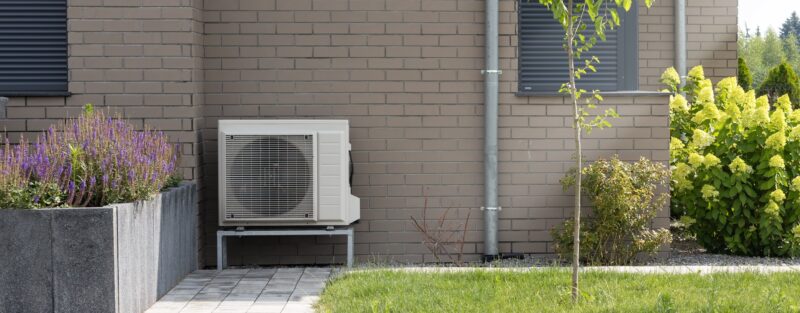
So your heating system is on its last leg—or maybe you’re building a home and trying to decide which type of heat makes the most sense. Either way, you’ve probably found yourself asking: “Should I go with a heat pump or a furnace?” Great question. And the answer? It depends. (We know, that’s not super helpful—yet.)
Let’s break down the pros, cons, and key differences so you can make the right call for your home, your climate, and your comfort.
First, What’s the Difference?
Furnace:
A furnace generates heat by burning fuel (usually gas, propane, or oil) or using electricity. It heats air and blows it through your home using ducts. Pretty straightforward.
Heat Pump:
A heat pump moves heat instead of making it. In the winter, it pulls heat from the air outside and transfers it indoors. In summer, it works in reverse—pulling heat out of your home and sending it outside (like an air conditioner). Yep—it’s one system that handles both heating and cooling.
Heat Pump Pros
- Energy efficient – Because it transfers heat instead of generating it, it uses way less energy than traditional heating methods.
- All-in-one system – One unit gives you both heating and air conditioning.
- Lower operating costs – Over time, heat pumps can be cheaper to run—especially in milder climates.
- Environmentally friendly – No burning of fossil fuels, so it’s a cleaner choice.
Furnace Pros
- Powerful heat output – Furnaces can generate high levels of heat fast, which is great for colder climates.
- Reliable in extreme cold – While heat pumps can struggle below freezing, furnaces keep chugging along.
- Lower upfront cost – Gas furnaces often cost less to install than a full heat pump system.
- Longer lifespan – Furnaces typically last longer than heat pumps (especially in colder regions).
Top Things to Consider
1. Your climate
- Live somewhere mild? A heat pump might be perfect.
- Get long, freezing winters? A furnace may be a better fit—or a dual-fuel system (more on that in a sec).
2. Your current system setup
- Replacing a furnace with a furnace is usually simpler (and cheaper).
- Switching from a furnace to a heat pump might require more electrical work and a compatible air handler.
3. Long-term energy savings
- While heat pumps may cost more upfront, they often pay off in the long run with lower utility bills.
What About a Dual-Fuel System?
If you want the best of both worlds, this is worth looking into.
A dual-fuel system uses a heat pump as the primary heat source and a gas furnace as backup. On mild days, you get the efficiency of the heat pump. When temperatures drop too low, the furnace kicks in.
Translation: Efficient heating year-round, with backup when you need it most.
The Bottom Line?
There’s no one-size-fits-all answer here. If you live in a mild or moderate climate and want year-round efficiency, a heat pump is a smart choice. If you live in a region that sees heavy snowfall and single-digit temps, a furnace might serve you better—or you may benefit from a hybrid setup.
Contact Complete Comfort for All Your Heat Pump and Furnace Needs in Jupiter, FL and the Surrounding Areas
Not sure which direction to go? That’s where we come in. Our team here at Complete Comfort can assess your home, your climate, and your goals to help you make the best decision—and make sure it’s installed the right way, the first time. Contact us today!